Profile: H. Kurt Liebe
| Original Creation: | 2025-12-10 01:13:05 |
| Last Updated: | 2025-12-10 17:07:29 |
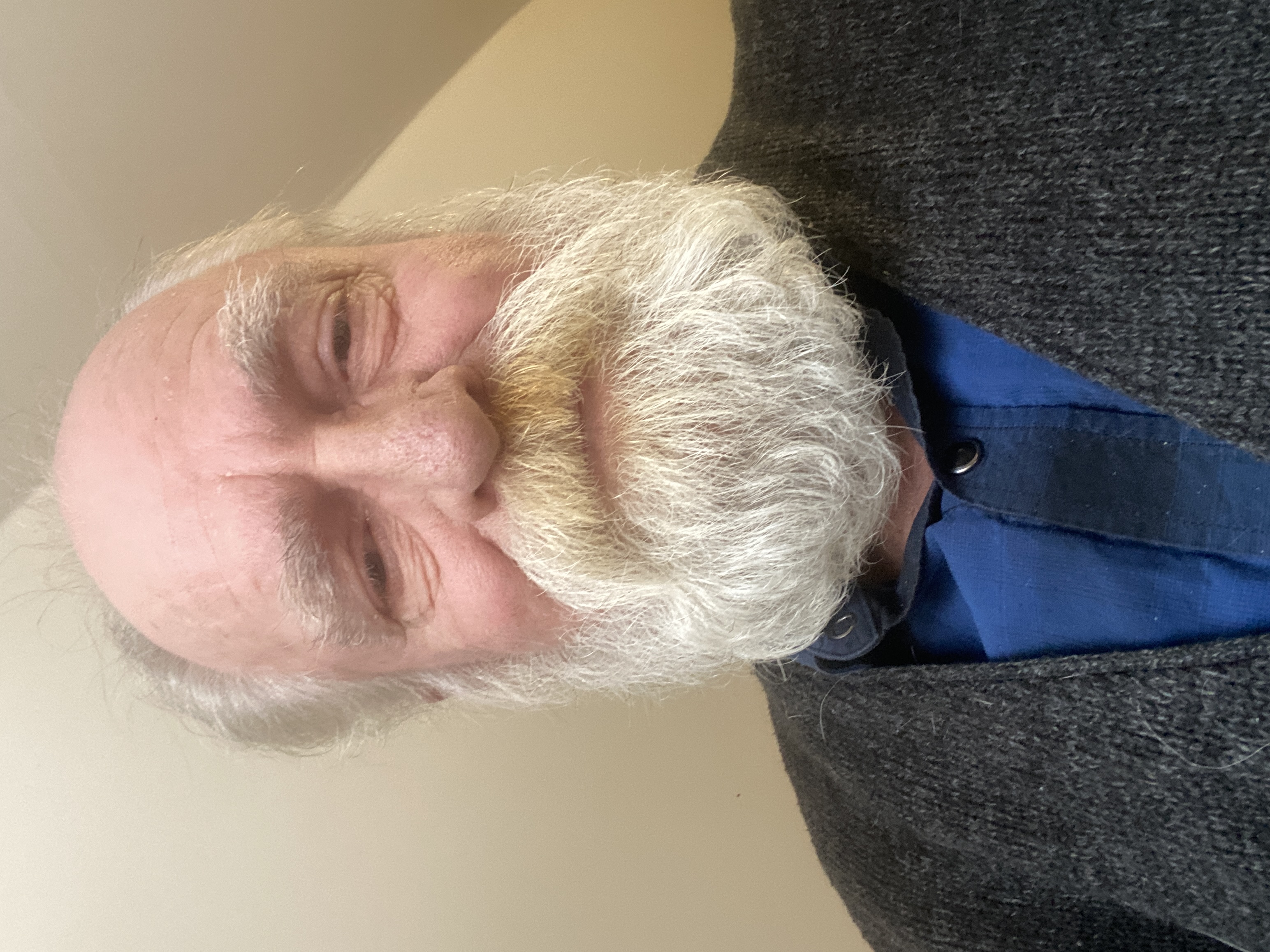
With Respect
I live and work on the traditional territory of the Anishnabek, Huron-Wendat, Haudenosaunee, Oneida (St Lawrence Iroquois) peoples. As a settler, I'm grateful for the opportunity to meet here. I honour and thank all the generations of people who have taken care of this land - for time immemorial. Long before today there have been aboriginal peoples who have been the stewards of this place. I recognize and deeply appreciate their history and connection to this place and continuing and ongoing stewardship. I also recognize the contributions of Métis, Inuit, and other Indigenous peoples have made, both in shaping and strengthening this community in particular, and our province and country as a whole. And as a settler, I acknowledge this recognition of the contributions and historic importance of Indigenous peoples must also be clearly and overtly connected to our collective commitment to make the promise and the challenge of Truth and Reconciliation real in our communities, and in particular to bring justice for murdered and missing indigenous women, girls and the lost children across our country.
Professional Identity
H. Kurt Liebe is the author, creator, and developer of the ecosystemsintelligence (EsI) project—a comprehensive ecosystem intelligence platform that integrates scientific research, Indigenous knowledge systems, and community-focused development. With a B.A. in International Development/Rural Extension Studies (Honours) from the University of Guelph, 15 years of not-for-profit governance experience, and a foundation in rural Alberta, Canada, Kurt brings a unique combination of academic knowledge, practical governance expertise, community engagement, and technical innovation to ecosystem intelligence and platform development.
Personal Background and Foundation
Rural Alberta Upbringing
Kurt's formative years in rural Alberta, Canada, provided direct experience with agricultural ecosystems, natural resource management, and the practical relationships between land, community, and economy. This rural upbringing fostered understanding of agricultural ecosystems through direct experience with farming, land management, and agricultural systems. The natural resource context provided understanding of resource extraction, environmental stewardship, and sustainable practices. Experience with rural community structures, mutual support systems, and local governance contributed to understanding of community dynamics. Firsthand observation of ecosystem interactions, seasonal cycles, and environmental impacts informed understanding of environmental relationships. Rural life's emphasis on resourcefulness, self-reliance, and practical solutions contributed to practical problem-solving skills.
This background contributes to a grounded perspective on ecosystem intelligence that recognizes both the scientific understanding and the lived experience of ecosystem relationships. The rural Alberta experience informs Kurt's approach to integrating diverse knowledge systems and understanding the practical applications of ecosystem research.
Personal Life and Family
Kurt is your ordinary neighbour type, with a partner of 40+ years and who has a son with his own family. This long-term partnership and family life provide a foundation of stability, commitment, and perspective that informs both personal and professional work. The experience of building and maintaining relationships over decades, raising a family, and encouraging a son as he builds his own family, contributes to a deep understanding of long-term commitment, family values, practical wisdom, work-life integration, and intergenerational perspective.
This personal foundation reinforces the commitment to community-centered approaches, long-term thinking in platform development, and the understanding that ecosystem intelligence work ultimately serves families and communities across generations. The stability of a 40-year partnership and the experience of family life provide a grounded perspective that complements the professional and governance work, ensuring that technical and research work remains connected to real human needs and relationships.
Kurt also self-identifies as a "jumper"—someone who moves fluidly (and sometimes dramatically) across roles and bridges gaps in an ecosystem of contributors. That ecosystem includes runners, jumpers, sparkers, magi, wizards; enablers, bridgers, experts, technicians, testers, analysts; doers, builders, organizers; supporters, nurturers, teachers, recorders; care support, crisis and emergency responders, monitors—covering the many roles needed to make civil social systems and communities work.
He also acknowledges a well-developed spatial thinking skill, which helps him land properly as a jumper and navigate complex systems and contexts with awareness of position, relationship, and impact.
Education
University of Guelph
Kurt earned a Bachelor of Arts (B.A.) with Honours in International Development/Rural Extension Studies from the University of Guelph. This degree provided foundational knowledge in international development theory and practice, rural extension studies including methods for working with rural communities, agricultural extension, technology transfer, and community development, approaches to supporting community-led development and capacity building, and appreciation for diverse perspectives and cultural contexts in development work.
This educational foundation connects directly to Kurt's rural Alberta background, providing academic understanding that complements practical rural experience. The focus on rural extension studies aligns with agricultural ecosystem knowledge and community development approaches, while international development studies provide global perspective on community development challenges and solutions.
Kurt also pursued a Joint Master of Science/Master of Arts (MSc/MA) in Rural Planning and Development at the University of Guelph, though the program was not completed due to family and community priorities. The graduate program offered advanced knowledge in rural planning theory and practice, development planning, advanced research methodologies, and policy analysis. While the program was not completed, the experience demonstrates commitment to family and community, practical application of knowledge and skills in real-world contexts, lifelong learning through practical experience and governance work, and an integrated approach combining academic learning with practical governance and community development experience.
The decision to prioritize family and community commitments reflects the values demonstrated throughout Kurt's work—placing community needs, family responsibilities, and practical application as well as formal credentials. This choice aligns with the community-centered approach evident in governance experience and platform development work.
The University of Guelph education provides important context for understanding Kurt's work through direct connection to the university through education, governance (Board of Governors, Student's Union), and community engagement. Both undergraduate and graduate programs focused on rural communities, connecting to rural Alberta background. International development and rural planning provide frameworks for understanding community development and ecosystem intelligence. The Honours B.A. demonstrates academic excellence and commitment to rigorous study. Education informs but does not limit work, with practical experience and governance providing complementary learning.
The educational background, combined with rural Alberta upbringing, governance experience, and professional work, creates a comprehensive foundation for ecosystem intelligence and community development work. The University of Guelph connection spans education, governance, and community engagement, providing deep institutional and community knowledge.
Academic Influences
Kurt's academic development was significantly shaped by interactions with distinguished professors at the University of Guelph, whose insights and mentorship influenced approaches to international development, governance, and community work.
Dr. Jorge Nef's work in international development, political theory, and development studies provided foundational perspectives on global development challenges and approaches. His insights into political economy, development theory, and international relations influenced understanding of development theory and practice, political economy, global perspectives, and critical analysis. Dr. Nef's influence contributed to a critical and thoughtful approach to development work, ensuring that community development and ecosystem intelligence work considers broader political and economic contexts.
Dr. O.P. Dwivedi, Professor Emeritus of Political Science and Public Administration at the University of Guelph, provided important perspectives on governance, environmental policy, and public administration. His extensive research on environmental policy, administrative culture, and public sector ethics influenced understanding of environmental governance, public administration, ethical governance, and sustainable development. Dr. Dwivedi's influence is evident in Kurt's governance experience and approach to platform development, emphasizing transparency, accountability, and ethical decision-making. The focus on environmental policy connects directly to ecosystem intelligence work, while the emphasis on ethical governance aligns with not-for-profit governance values.
Casual meetings and interactions with Dr. R. Alex Sim, a respected sociologist known for work in rural sociology and community development, provided valuable perspectives on rural communities and grassroots initiatives. These interactions contributed to understanding of rural sociology, community development, rural extension, and community engagement. Dr. Sim's influence connects directly to Kurt's rural Alberta background and rural extension studies, providing academic understanding that complements practical rural experience. The emphasis on community-centered approaches and grassroots initiatives aligns with governance experience and platform development work.
Dr. Clarence Munford, Professor Emeritus of Black Studies and History at the University of Guelph, provided essential perspectives on civilizational development, critical analysis of dominant narratives, and alternative pathways for just systems. His work on Black centrality in civilizational development, critical analysis of white capitalism and imperial globalization, and civilizational historicism from Black perspective significantly influenced understanding of civilizational trends, systems analysis, and alternative pathways. Dr. Munford's major publications include "Race and Civilization: The Rebirth of Black Centrality" (2001), "American Crucible: Black Enslavement, White Capitalism, and Imperial Globalization" (2009), and "Race and Reparations: A Black Perspective for the 21st Century" (1996), which received the African Heritage Studies Association Book Award in 1997. His theoretical frameworks—including Black Centrality Framework, White Capitalism Framework, and Civilizational Historicism Framework—provide essential critical lens for analyzing dominant narratives and developing just alternatives. Dr. Munford's influence connects directly to ecosystem intelligence work through recognition of how historical patterns continue in contemporary systems, the importance of centering marginalized perspectives in systems analysis, and the requirement that all systems address racial justice and historical recognition. The C.J. Munford Centre established at the University of Guelph focuses on issues of diversity, race, and factors relevant to lives of people of color, serving as a support hub for racialized students and demonstrating the ongoing impact of Dr. Munford's contributions.
These academic influences collectively shaped a comprehensive approach to development work that integrates multiple perspectives, emphasizes critical analysis, values ethical practice, respects community knowledge, and connects local and global contexts. The academic influences, combined with practical experience and governance work, create a foundation for ecosystem intelligence and community development that respects multiple knowledge systems, emphasizes ethical practice, and maintains commitment to community-centered approaches.
Certifications
Kurt achieved a Permaculture Design Certificate with Geoff Lawton (Australia). This certification focuses on sustainable design principles for ecological systems, integrating human activity with natural processes. The certification informs a holistic approach to ecosystem intelligence, emphasizing regenerative design and sustainable practices. This certification complements academic knowledge in rural extension and international development, providing practical skills for ecological design and community resilience.
Not-For-Profit Governance Experience
15 Years of Governance Leadership
Kurt brings extensive not-for-profit governance experience spanning 15 years, demonstrating a deep commitment to community health, affordable housing, and educational governance. This governance experience encompasses multiple roles and levels of responsibility across diverse organizations.
Board Leadership Roles
Kurt has served as a member of boards of health-focused not-for-profit organizations and affordable housing organizations. He has served as committee member and chair of committees and Boards across multiple organizations, developing expertise in not-for-profit governance, strategic planning, and organizational development. Committee experience includes active participation in organizational committees, leadership roles chairing committees and working groups, involvement in strategic planning and organizational development, and participation in policy development and governance frameworks.
University Governance
Kurt served as an active undergraduate student representative on the Board of Governors of the University of Guelph, representing student interests at the highest level of university governance. This role involved participation in university-wide decision-making and strategic planning, gaining experience in large-scale institutional governance and policy development. Kurt also served as an active representative in student organizations, taking on leadership roles in student governance and advocacy, and connecting student interests with broader community and institutional priorities.
Governance Context and Impact
Kurt's health sector governance experience includes work with community health centre governance models, understanding of health equity and social determinants of health, knowledge of community health program development and implementation, and connection to Association of Ontario Health Centres (AOHC) network and standards.
Affordable housing governance experience includes work with affordable housing organization governance, understanding of housing policy and community development, knowledge of housing service delivery and community support models, and connection to organizations like Matrix Affordable Homes and community housing initiatives.
Educational governance experience includes work with university governance and institutional decision-making, understanding of educational policy and student advocacy, knowledge of academic governance and strategic planning, and connection to University of Guelph community and educational initiatives.
Governance skills developed through this experience include strategic planning and organizational development, policy development and implementation, financial oversight and accountability, risk management and compliance, stakeholder engagement and community relations, and board leadership and committee management.
Leadership and Board Roles
Kurt's governance and leadership experience spans multiple sectors and levels of responsibility, demonstrating a comprehensive commitment to community development, environmental stewardship, health equity, affordable housing, and organizational capacity building. These roles reflect a pattern of founding organizations, leading boards, and contributing to community governance across diverse contexts.
Municipal Governance and Environmental Leadership: Kurt served as an appointed member of the Township of Leeds and the Thousand Islands Environmental Committee, contributing to environmental policy development, conservation initiatives, and sustainable community planning. This role demonstrates commitment to environmental stewardship at the municipal level and connects to ecosystem intelligence work through practical application of environmental knowledge in community governance contexts. Kurt also ran as mayoralty candidate for the Township of Leeds and the Thousand Islands, demonstrating commitment to municipal leadership and community governance. This candidacy reflects a willingness to take on high-level leadership responsibilities and contribute to community decision-making at the municipal level, connecting governance experience to broader community development goals.
Founding and Leading Not-For-Profit Organizations: Kurt founded and served as President of the Board of the Permaculture Association of/du Canada, a federally registered not-for-profit organization. This role demonstrates leadership in sustainable design and ecological systems thinking, connecting directly to ecosystem intelligence work and the Permaculture Design Certificate achieved with Geoff Lawton (Australia). The bilingual name (of/du Canada) reflects commitment to serving both English and French-speaking communities across Canada, while the focus on permaculture principles connects to holistic approaches to ecosystem management and community resilience.
Kurt also founded and served as President of the Board of Community Assets Canada, a federally registered not-for-profit organization. This role demonstrates leadership in community development and asset-based community development approaches, connecting to understanding of how communities can leverage their assets for sustainable development. The organization's focus on community assets aligns with ecosystem intelligence work that recognizes the value of diverse community resources and knowledge systems.
Health Sector Governance: Kurt served as Executive Board Member and President of the Board of Guelph Community Health Centre (GCHC), a community health centre established in 1988 that serves equity-deserving populations and is a member of the Association of Ontario Health Centres (AOHC). This leadership role demonstrates deep commitment to health equity, community health governance, and organizational leadership in the health sector. The experience provides practical understanding of community health centre models, health equity principles, social determinants of health, and the governance structures that support community health organizations. The role connects directly to ecosystem intelligence work through understanding of how health outcomes relate to environmental and community contexts.
Affordable Housing Governance: Kurt served as Executive Board Member of Matrix Affordable Homes for the Dis-Advantaged, a Guelph-based affordable housing organization that operated Fresh Start Housing Centre and provided housing assistance and emergency services. This role demonstrates commitment to affordable housing governance and understanding of how housing organizations address community needs, support vulnerable populations, and contribute to community development. The experience connects to ecosystem intelligence work through recognition of how housing and community infrastructure relate to overall community security, health and resilience.
Kurt also served as Executive Board Member of Room for Us (Guelph and Wellington), an affordable housing organization serving the Guelph and Wellington region. This role demonstrates continued commitment to affordable housing governance and understanding of regional housing needs and service delivery models. The experience provides insight into how housing organizations collaborate across geographic regions and address diverse community housing needs.
Kurt served as Executive Board Member of Abbeyfield Homes, an organization providing housing and support services. This role demonstrates commitment to diverse housing models and understanding of how different housing organizations address community needs through various service delivery approaches.
Employment and Workforce Development: Kurt briefly served as Executive Board Member of the Centre for Employable Workers, an organization focused on employment services and workforce development. This role demonstrates commitment to employment equity, workforce development, and understanding of how employment services support community members in accessing meaningful work opportunities. The experience connects to ecosystem intelligence work through recognition of how economic opportunities and employment relate to community health and resilience.
Agricultural and Wildlife Communication: Kurt served as Co-Editor of the Canadian Bison Association (CBA) membership newsletter, contributing to communication and knowledge sharing within the bison industry and agricultural community. This role demonstrates commitment to agricultural communication, industry knowledge sharing, and understanding of agricultural ecosystems. The experience connects to rural Alberta background and agricultural ecosystem knowledge, while the communication aspect connects to documentation and knowledge management skills evident throughout Kurt's work.
Kurt served as Co-Owner of "Wildlines," the Wildlife Game Industry & Zoological newsletter, contributing to communication and knowledge sharing in wildlife management, game industry, and zoological fields. This role demonstrates commitment to wildlife conservation communication, industry knowledge sharing, and understanding of wildlife ecosystems and management practices. The experience connects to ecosystem intelligence work through understanding of wildlife ecosystems, conservation practices, and the intersection of wildlife management with broader ecosystem health.
Leadership Context and Impact: These leadership and board roles collectively demonstrate multi-sector governance experience across health, housing, employment, environmental, agricultural, and wildlife sectors; founding leadership experience in establishing and leading not-for-profit organizations from inception; board leadership experience serving as President of the Board in multiple organizations; municipal engagement commitment to municipal governance and environmental policy; community-centered approach with consistent focus on community needs, equity, and sustainable development; communication and knowledge sharing commitment through newsletter editing and ownership; geographic diversity with leadership roles spanning Ontario municipalities, Guelph region, and national organizations; and sector integration understanding of how different sectors (health, housing, employment, environment) interconnect in community development.
The governance experience across these diverse roles informs ecosystem intelligence work by providing practical understanding of how communities operate, how organizations make decisions, how different sectors interconnect, and how governance structures support community development and environmental stewardship. The experience demonstrates a pattern of taking on leadership responsibilities, founding organizations to address community needs, and contributing to governance across multiple sectors and levels of responsibility.
Professional Role and Contributions
Platform Development Leadership
Kurt serves as the project owner and primary developer for ecosystemsintelligence (EsI), a sophisticated platform that combines ecosystem classification research, database analysis, and technical architecture. The platform represents a comprehensive approach to integrating diverse knowledge systems and data sources to support ecosystem intelligence and community development.
The governance experience informs platform development by ensuring that technical solutions address real community needs, respect diverse stakeholder perspectives, and align with not-for-profit values of transparency, accountability, and community benefit.
Research and Documentation Excellence
Through consistent documentation practices and systematic research approaches, Kurt has established a professional standard for platform development. The work demonstrates high-quality standards, comprehensive analysis, and thoughtful integration of multiple perspectives including scientific, Indigenous, and gender-based research frameworks.
The governance background contributes to documentation excellence through attention to clarity, accountability, and stakeholder communication—skills essential in both governance and technical documentation contexts.
Research Focus Areas
Ecosystem Classification and Taxonomy
Kurt's work encompasses highest-order ecosystem classifications that integrate scientific and Indigenous traditional perspectives. This includes developing multi-tiered classification systems with primary, secondary, and tertiary levels that respect both scientific methodology and traditional ecological knowledge. The rural Alberta background provides practical context for understanding ecosystem relationships and the importance of integrating multiple knowledge systems.
Database Research and Analysis
The research extends across multiple specialized database domains including Indigenous and First Nations databases supporting data sovereignty and traditional knowledge preservation, gender-based organization databases promoting inclusive and equitable ecosystem research, violence, crime, and corruption sources addressing systemic challenges within ecosystem contexts, and children's health and mortality databases connecting health outcomes to ecosystem relationships.
The governance experience informs research by ensuring that data collection and analysis respect community values, support equity goals, and contribute to evidence-based decision-making in health and housing sectors.
Platform Development and Technical Architecture
Kurt leads comprehensive platform development including technical documentation, training materials, platform strategy, and system architecture. The work demonstrates expertise in creating scalable, well-documented systems that support complex research and community needs.
Governance experience contributes to platform architecture by ensuring that systems support organizational needs, respect governance requirements, and enable effective decision-making and accountability.
Geographic and Cultural Focus
The research maintains a strong focus on Canadian ecosystems, First Nations communities, and Statistics Canada data sources, while also providing global coverage through international databases and UN organizations. The Alberta background, combined with current work in Ontario and other Canadian regions, reflects a commitment to both local relevance and national perspective.
The governance experience in Guelph, Ontario, connects directly to the geographic focus, providing local knowledge and relationships that inform research priorities and community engagement.
Professional Characteristics
Documentation Excellence
Kurt's work demonstrates professional-level documentation practices including systematic naming conventions with timestamps, standardized document structures, consistent copyright management, high confidence levels in research assessments, and comprehensive coverage with detailed analysis, gap assessments, and enhancement opportunities.
Governance experience contributes to documentation excellence through attention to transparency, accountability, and clear communication—essential skills in both governance and technical contexts.
Research Methodology
The research approach reflects multi-source verification practices, confidence assessment frameworks, gap analysis and enhancement recommendations, integration of diverse perspectives (scientific, Indigenous, gender-based), and transparent and thoughtful analysis.
Governance experience informs research methodology by ensuring that research respects community values, supports evidence-based decision-making, and contributes to organizational learning and improvement.
Work Quality Standards
The documentation consistently maintains high standards with stated confidence levels of 95% or higher, demonstrating a commitment to accuracy, reliability, and thoroughness in all research and development work.
Governance experience reinforces quality standards through attention to due diligence, risk management, and accountability—skills essential in both governance and research contexts.
Geographic and Community Context
Canadian Foundation
Rooted in rural Alberta and currently based in Canada, Kurt's work demonstrates deep engagement with Canadian ecosystems, First Nations communities, and Canadian data sources including Statistics Canada. The geographic foundation spans from rural Alberta to current work in Ontario and other Canadian regions, reflecting a comprehensive understanding of Canada's diverse ecosystems and communities.
Guelph, Ontario Context
The governance experience in Guelph, Ontario, provides direct connection to key community organizations. Guelph Community Health Centre (GCHC) was established in 1988, serving equity-deserving populations, is a member of Association of Ontario Health Centres (AOHC), provides comprehensive community health services, and governance experience connects to community health centre model and standards.
Matrix Affordable Homes was a Guelph-based affordable housing organization that operated Fresh Start Housing Centre, provided housing assistance and emergency services, and governance experience connects to affordable housing sector and community development.
The University of Guelph connection includes Board of Governors experience providing institutional knowledge, student representation connecting to educational governance, community engagement connecting to university-community partnerships, and research connections supporting ecosystem intelligence work.
Rural to Urban Perspective
The transition from rural Alberta upbringing to work in urban and community contexts provides a unique perspective that bridges rural and urban ecosystem understanding. This experience informs an appreciation for both agricultural ecosystems and urban environmental systems, recognizing the interconnected nature of ecosystem health across different community types.
The governance experience in both rural and urban contexts further strengthens this perspective, providing understanding of how governance models adapt to different community contexts and needs.
Community Health and Housing Context
The research and platform development align with community health and housing themes, reflecting an understanding of the interconnected nature of ecosystem health, community well-being, and social infrastructure. This alignment demonstrates a holistic approach to ecosystem intelligence that recognizes the relationship between environmental systems and human communities, informed by both rural and urban community experiences.
The governance experience directly connects to this work, providing practical understanding of how community health and housing organizations operate, how they make decisions, and how they contribute to community security and well-being.
Community Development Programs and Funding
Kurt's work connects to the legacy of Industry Canada's Community Access Program (CAP), a federal initiative that provided internet infrastructure and access in rural and remote communities from the 1990s to approximately 2012. The CAP program focused on establishing public internet access points in underserved communities, supporting digital skills development and technology training, building community technology infrastructure and connectivity, and addressing the digital divide in rural and remote communities.
The CAP program's emphasis on community-based technology access and digital inclusion aligns with Kurt's work in platform development and community-centered approaches. The program's focus on rural communities connects to Kurt's rural Alberta background, while its community development model reflects the governance experience in not-for-profit organizations. The CAP program's legacy informs understanding of how technology infrastructure can support community development and how community organizations can leverage technology to serve their communities.
Kurt's governance experience connects to the Ontario Trillium Foundation (OTF), a major provincial funder of community projects in Ontario. Established in 1999, OTF has invested over $2.9 billion in more than 32,000 grants across 400+ communities, impacting over 66 million people. OTF grant programs include Seed Grants helping organizations build resilience and enhance service delivery, Grow Grants providing higher levels of funding over 2-3 years to expand successful programs, Capital Grants supporting projects that update buildings, enhance spaces, and purchase equipment, and Youth Opportunities Fund supporting youth-led and youth-serving initiatives.
Recent OTF investments (2024-2025) include $103 million invested in 715 community projects, $45.2 million in Grow Grants for 140 projects, $16.2 million in Seed Grants for 246 projects, $28.2 million in Capital Grants for 291 projects, and $13.4 million in Youth Opportunities Fund for 38 projects. OTF-funded project examples include environmental restoration initiatives (e.g., Bruce Peninsula Biosphere Association - $358,300), digital resources for cultural and environmental sites (e.g., Curve Lake First Nation - $472,500), resource sharing and sustainability projects (e.g., Toronto Tool Library), and community infrastructure and capacity building.
The Trillium Foundation's focus on community assets, environmental projects, and sustainability initiatives aligns with Kurt's work in ecosystem intelligence and community development. The foundation's emphasis on supporting not-for-profit organizations connects directly to Kurt's governance experience, providing understanding of how community organizations access funding, develop projects, and build organizational capacity. The OTF's geographic focus on Ontario communities, including Guelph and surrounding areas, connects to Kurt's local governance experience and community engagement.
Both the Industry Canada CAP program and the Ontario Trillium Foundation represent important models of community development funding and support. These programs demonstrate community-centered approaches with funding and support that responds to community-identified needs, capacity building supporting organizational development and sustainability, multi-sector impact funding across health, housing, environment, and community development sectors, long-term investment supporting organizations and projects over extended periods, and geographic equity addressing needs in rural, remote, and underserved communities.
Kurt's governance experience in health and housing organizations provides practical understanding of how organizations navigate funding programs, develop grant proposals, and implement funded projects. This experience informs platform development by ensuring that technical solutions support organizational capacity, enable effective project management, and contribute to sustainable community development.
Skills and Expertise
Based on the comprehensive body of work and governance experience, Kurt demonstrates expertise in multiple areas.
Technical Skills: Kurt's technical expertise includes creating clear, comprehensive, and well-structured documentation; conducting thorough research across multiple database domains; designing and implementing scalable technical architectures; applying systematic approaches to research and analysis; and integrating diverse data sources and perspectives.
Domain Expertise: Kurt's domain expertise encompasses understanding complex ecosystem relationships and classifications informed by practical rural experience; respectfully integrating traditional ecological knowledge; understanding agricultural ecosystems and rural community dynamics; academic foundation in international development theory and practice (B.A. with Honours); knowledge of rural extension methods and community development approaches; and understanding of rural planning theory and development planning (incomplete graduate studies).
Governance and Leadership: Kurt's governance and leadership experience includes 15 years of experience in board membership, committee leadership, and organizational governance; experience in strategic planning and organizational development; participation in policy development and governance frameworks; experience engaging diverse stakeholders in governance contexts; experience chairing committees and serving in leadership roles; and experience representing student interests in university governance.
Community Engagement: Kurt's community engagement expertise includes understanding of community health centre governance and operations; understanding of affordable housing organization governance and operations; experience in university governance and student representation; and understanding of community development processes and community engagement.
Work Approach and Values
Transparency and Trustworthiness
The work consistently demonstrates transparency in processes, limitations, and decisions. This approach builds confidence through accuracy, consistency, and reliability in all research and development activities. Governance experience reinforces these values through attention to accountability, due diligence, and ethical decision-making.
Thoughtful Integration
Kurt's work reflects careful consideration of diverse perspectives, including scientific, Indigenous, and gender-based approaches. This thoughtful integration demonstrates respect for multiple knowledge systems and a commitment to inclusive research practices, informed by the understanding that different communities and contexts contribute valuable perspectives to ecosystem intelligence.
Governance experience strengthens this approach by providing practice in considering diverse stakeholder perspectives, balancing competing interests, and making decisions that respect multiple viewpoints.
Professional Standards
The consistent application of professional standards, systematic approaches, and quality frameworks demonstrates a commitment to excellence in all aspects of platform development and research. Governance experience reinforces professional standards through attention to due diligence, risk management, and accountability.
Practical Grounding
The rural Alberta background contributes to a practical, grounded approach to ecosystem research that recognizes both theoretical understanding and real-world applications. This perspective ensures that research and platform development remain connected to practical community needs and ecosystem realities.
Governance experience further strengthens practical grounding by providing direct experience with how organizations operate, how decisions are made, and how research and development can support organizational goals and community needs.
Community-Centered Approach
The governance experience demonstrates a deep commitment to community-centered approaches, ensuring that work serves community needs, respects community values, and contributes to community well-being. This commitment informs platform development, research priorities, and engagement strategies.
Current Activity
Kurt maintains active development and research activities, with recent document creation dates in December 2025. The ongoing work reflects continued engagement with ecosystem classification research, platform development, and comprehensive documentation practices.
The governance experience continues to inform current work by ensuring that platform development and research align with community needs, respect governance requirements, and contribute to evidence-based decision-making in health, housing, and community development sectors.
Contact and Engagement
I welcome inquiries and engagement from all people from all walks of life—whether you're from business, academia, public or private sectors, NGOs, community organizations, or you're an individual or group interested in learning more. For inquiries related to ecosystem intelligence, platform development, research collaboration, or governance consultation, contact can be initiated through the platform's contact mechanisms, respecting privacy and professional boundaries.