About Me: Kurt Liebe
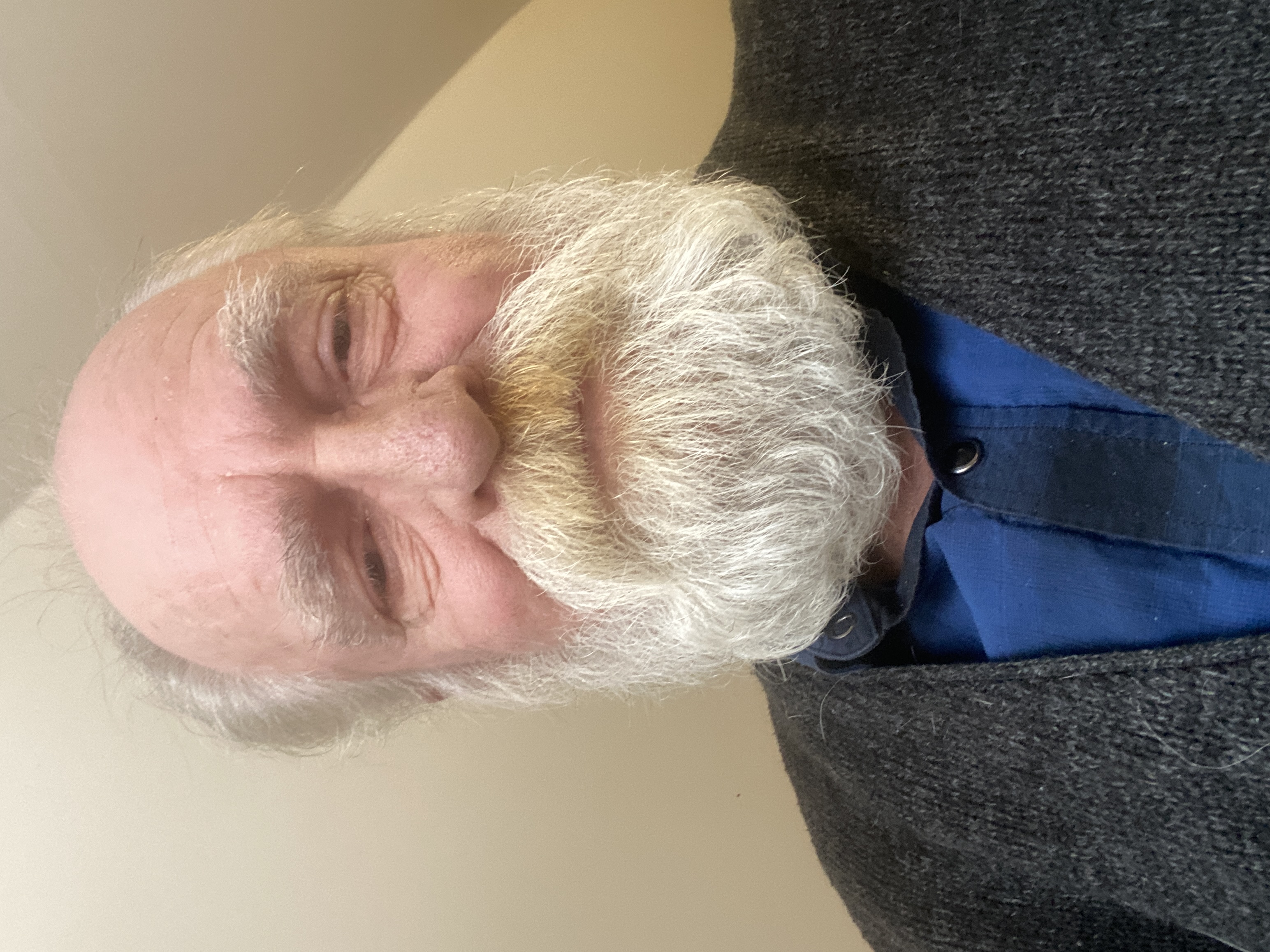
Who I Am
I'm the (at the moment, only) person behind ecosystems intelligence (EsI)—an ecosystems intelligence project that brings together scientific research, Indigenous knowledge, and community-focused development. I've got a degree in International Development and Rural Extension Studies from the University of Guelph, spent 15+ years working in not-for-profit governance, and grew up in rural Alberta. That mix of academic learning, hands-on governance work, and rural roots shapes how I approach ecosystem intelligence and building platforms that actually serve people in their communities.
Where I Come From
I grew up in very small village, rural Alberta, which gave me firsthand experience with farming, natural resources, and how land, community, and economy all connect. That background taught me about agricultural systems, environmental stewardship, how rural communities work, and practical problem-solving.
I'm an ordinary neighbour type —been with my partner for 40+ years, and we have a son who's building his own family now. That long-term partnership and family life helps keep me grounded and reminds me why this work matters. I think of myself as a "jumper"—someone who moves between different roles (sometimes dramatically) and helps connect the dots in communities. I've got pretty good spatial thinking skills, which helps me see how things fit together and navigate complex systems.
What I've Learned
I got my B.A. with Honours from the University of Guelph in International Development and Rural Extension Studies with a political/environmental focus. That gave me a solid foundation in development theory, working with rural communities, and understanding different cultural contexts. I also started a joint MSc/MA in Rural Planning and Development at Guelph, but didn't finish it—family and community commitments took priority. That decision says something about how I work: I adapt well to both formal and applied situations comfortably.
Some professors who really influenced me (among many) include Dr. Jorge Nef (international development and political economy), Dr. O.P. Dwivedi (environmental governance and ethics), Dr. R. Alex Sim (rural sociology and community work), and Dr. Clarence Munford (as a significant academic influence). I also got a Permaculture Design Certificate from Geoff Lawton in Australia, which taught me about sustainable design and how human activity can work with natural systems.
What I've Done
I've spent more than 15 years in not-for-profit governance, working with community health, affordable housing, and education. I was a undergraduate student rep on the University of Guelph's Board of Governors, which taught me a lot about how large institutions work and how to advocate for student interests.
Here's a quick rundown of some of the roles I've taken on:
Local Government: I was on the Environmental Committee for the Township of Leeds and the Thousand Islands in Ontario, and I ran for mayor there too. Both experiences showed me how environmental policy and community governance work at the municipal level.
Starting Organizations: I founded and served as President of the Permaculture Association of/du Canada (a federally registered not-for-profit), and also founded and led Community Assets Canada. Both were about helping communities leverage what they already have.
Health Sector: I was Executive Board Member and President of Guelph Community Health Centre (GCHC), which has been serving equity-deserving populations since 1988. That role taught me a lot about health equity, community health models, and how health connects to environmental and community contexts.
Housing: I've served on boards for Matrix Affordable Homes, Room for Us (Guelph and Wellington), and Abbeyfield Homes. These roles showed me how affordable housing organizations work, how they support vulnerable populations, and how housing connects to overall community health.
Other Stuff: I was on the board of the Centre for Employable Workers, co-edited the Canadian Bison Association newsletter, and co-owned "Wildlines"—a wildlife and game industry newsletter. These roles connect my rural background, agricultural knowledge, and interest in wildlife ecosystems.
All these roles taught me how different sectors—health, housing, employment, environment—connect in community development. They also showed me how organizations make decisions, how governance structures work, and how to build things from the ground up.
What I'm Working On
Based on my apprehension regarding the looming tsunami that is AI/LLM and our inevitable collison with Climate change, I'm exploring ecosystemsintelligence (EsI), which combines ecosystem classification research, database analysis, and technical architecture for it's larger concepts and broader applications. The goal is to integrate different knowledge systems and data sources to support ecosystem intelligence and individual and community development. I try to keep my documentation and research practices at a high standard, bringing together scientific, Indigenous, and gender-based perspectives.
My research focuses on ecosystem classifications that respect both scientific methods and traditional ecological knowledge. I work with information sources covering Indigenous and First Nations communities, gender-based organizations, violence and crime data, and children's health—always with a focus on ecosystems, First Nations communities, and Canadian and international data, while identifying global relationships and context.
What I'm Good At
I can handle technical documentation, database research, platform development, and data analysis. I'm only beginning to understand ecosystem science, Indigenous knowledge systems, agricultural systems, and international development. I've got 15 years of governance experience, know how to do strategic planning and policy development, and understand how community health centres, housing organizations, and universities work.
How I Work
I try to be transparent, trustworthy, and thoughtful about bringing different perspectives together. My rural background tends to keep me practical and grounded. I'm committed to community-centered approaches—making sure work actually serves community needs, respects community values, and contributes to well-being.
My governance experience helps me make sure technical solutions address real community needs, respect different stakeholder perspectives, and align with values like transparency, accountability, and community benefit.
Where I'm Based
I still have roots in rural Alberta but work independently from the beautiful 1000 Islands area - traditional territory of the Anishnabek, Huron-Wendat, Haudenosaunee, and Oneida (St Lawrence Iroquois) peoples in Eastern Canada. I had strong connections in Guelph, Ontario. I worked closely with organizations like Guelph Community Health Centre, Matrix Affordable Homes, and the University of Guelph. Moving from rural Alberta to working in urban and community contexts gave me a perspective that bridges rural and urban ecosystem understanding.
What I'm Up To Now
I'm actively developing and researching, working on ecosystem classification research, platform development, and documentation. My governance experience keeps me focused on making sure platform development and research align with community needs, respect governance requirements, and contribute to evidence-based decision-making in health, housing, and community development.
Getting in Touch
I welcome inquiries and engagement from all people from all walks of life—whether you're from business, academia, public or private sectors, NGOs, community organizations, or you're an individual or group interested in learning more. If you want to talk about ecosystem intelligence, platform development, research collaboration, or governance work, feel free to reach out through the platform's contact mechanisms. I respect privacy and professional boundaries, but I'm always interested in connecting with people who share similar interests and actively work for positive change.